
4th World Congress of Existential Psychotherapy
DENVER - COLORADO | June 3–6, 2026
Community, Authenticity, and the Mystery of Being
Towards Global Expansion and Inclusion
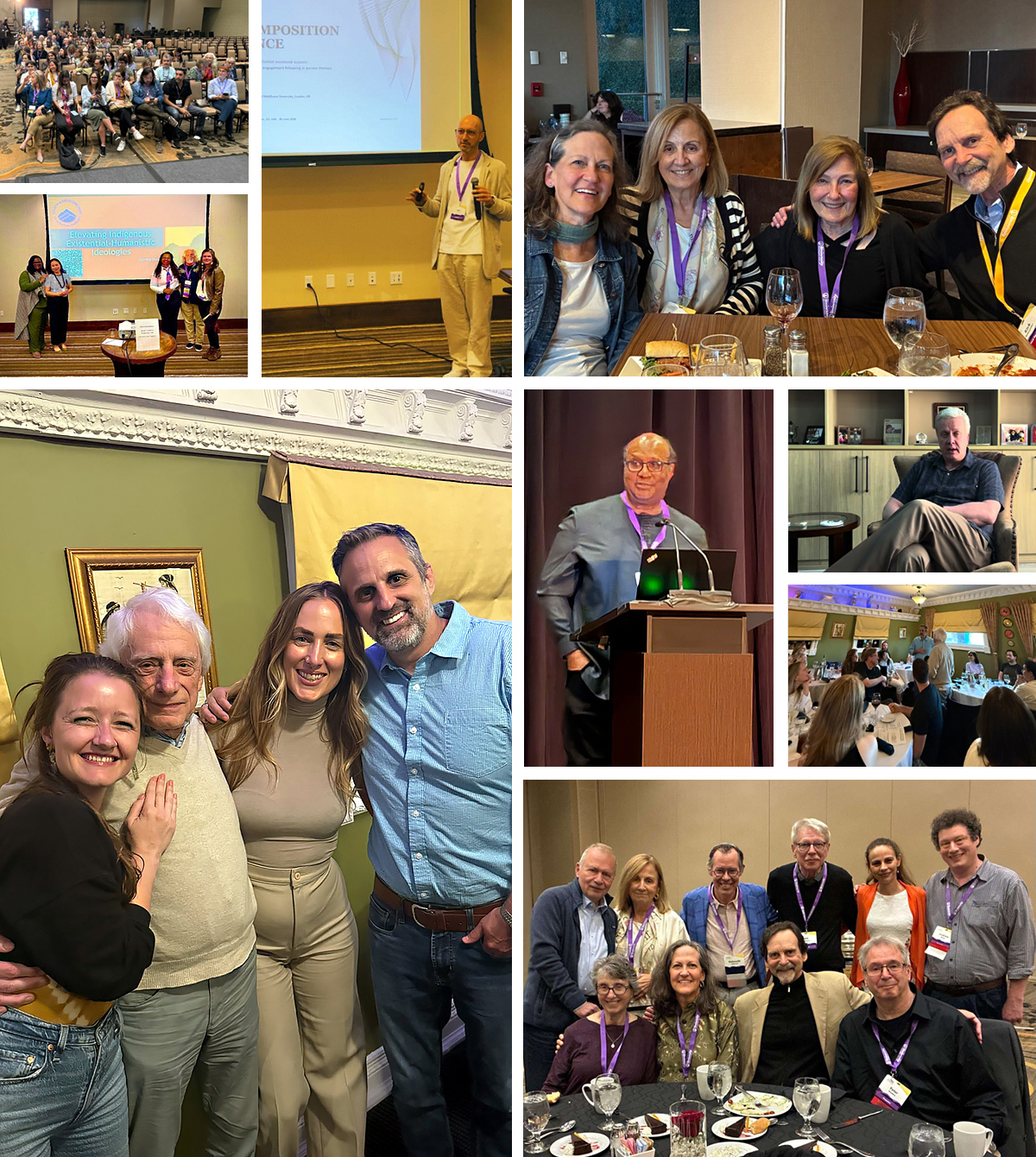
The 4th World Congress of Existential Psychotherapy took place in Colorado, United States, in June 2026, bringing together a vibrant global mosaic of leading thinkers and practitioners from more than 40 countries around the world. Following the three previous congresses in London, Buenos Aires, and Athens, the international existential community came together around a shared vision: to deepen its exploration of the triad «Community, Authenticity, and the Mystery of Being».
The congress fostered a multidimensional dialogue among the different schools of existential psychotherapy, connecting the classical philosophical tradition with contemporary and emerging therapeutic approaches. Central to the discussions were social justice and existential ethics in the face of political extremism and moral distress; Terror Management Theory and the anxiety of death; as well as the dynamic convergence of the four traditional schools —including Logotherapy and Daseinsanalysis— with emerging, multicultural models such as the Chinese Zhi Mian approach. At the same time, the congress opened new therapeutic horizons by exploring the integration of an existential-phenomenological perspective into contemporary psychedelic-assisted therapy —the «Psychedelic Renaissance»— while also offering evidence-based perspectives on addressing the existential vacuum and the psychological pressures of the post-COVID era.
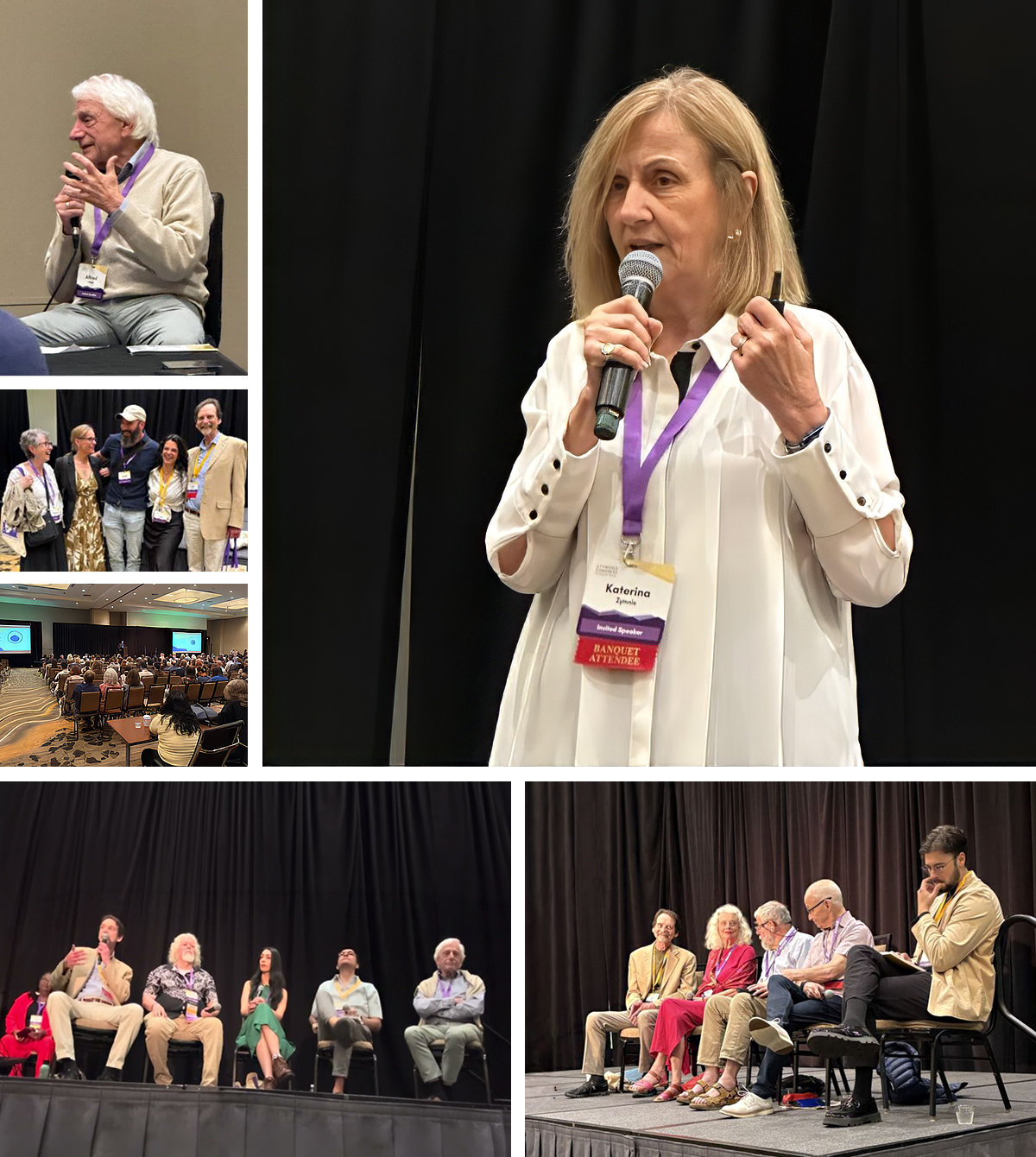
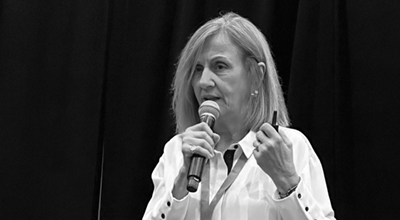
The presence of Dr. Katerina Zymni-Georgalou, co-founder, co-director, and trainer at Gignesthai, was particularly distinctive and influential. In her presentation, entitled «Existential Integrative Family Therapy», she drew on Homer’s Odyssey as a metaphor to describe the journey of the contemporary family as a heroic search for meaning, in which family members are called upon to confront the modern-day «Sirens» and «Cyclopes» while maintaining their personal coherence and identity. At the same time, her work highlighted the bridges between existential and systemic approaches, the significance of the therapeutic encounter as a form of relational contact, and the assumption of personal responsibility for freedom and choice, even in contexts of profound crisis.
The vibrant atmosphere of the congress was further enriched by presentations from leading and prominent figures in the international existential psychotherapy community, including Emmy van Deurzen, Kirk Schneider, and Alfried Längle, who explored the ways of engaging with existential anxiety and the search for authenticity in contemporary multicultural societies. Beyond the scientific dialogue, however, the congress also served as an important gathering of an international community, fostering networking, intercultural exchange, and collaboration. For European practitioners and members of FETE, it reaffirmed the vitality and dynamism of the global existential community, as well as the importance of an open dialogue among different schools, cultural traditions, and contemporary therapeutic approaches.

Further information and conference materials can be found on the official conference website: wcet4.com